

Bio Identical Hormone Replacement Therapy
Feel More Like Yourself Again
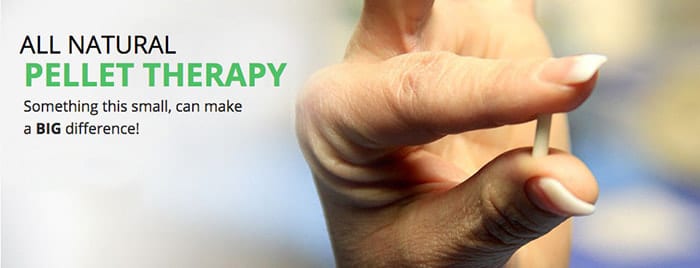
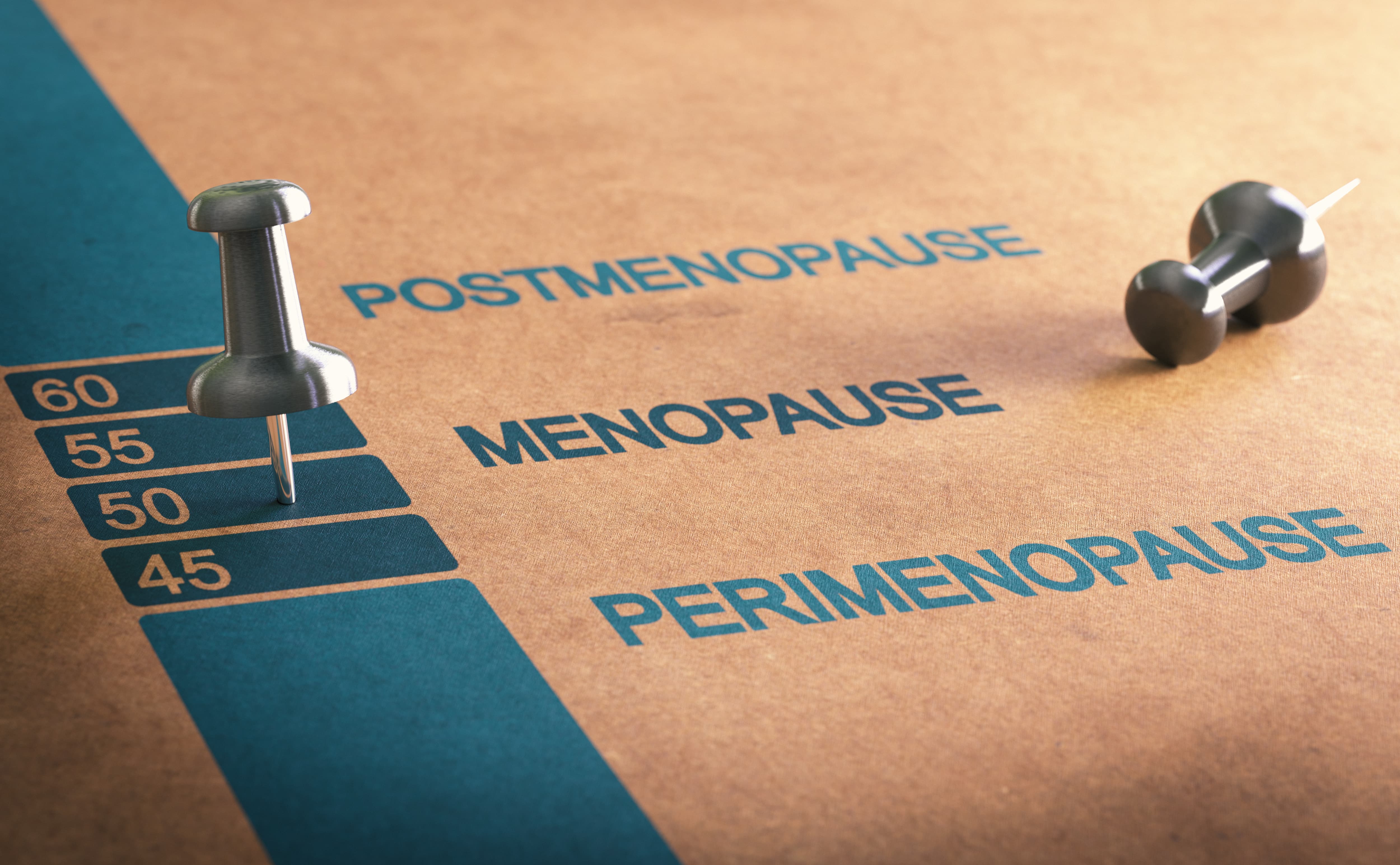
Hormonal changes can affect nearly every part of how you feel, from your energy and sleep to your mood, concentration, metabolism, and intimate health. During perimenopause and menopause, changing estrogen and testosterone levels may leave you feeling disconnected from the person you used to be.Bioidentical hormone replacement therapy using pellets offers one possible approach for women seeking consistent hormone support without remembering a daily pill, cream, or patch. Small pellets placed beneath the skin gradually release prescribed hormones over time.At Women’s Center for Integrative Health, pellet therapy is never treated as a standard solution for every woman. Your symptoms, health history, laboratory findings, lifestyle, and personal preferences are carefully reviewed before a recommendation is made. Our goal is to help you understand your options and choose a plan that supports your health through each stage of hormonal change.

The pellets are placed beneath the skin through a small incision, usually near the upper hip or buttock. Once inserted, they gradually release hormones into the bloodstream over several months. This method may provide a convenient option for women who prefer not to manage medication every day.
Pellet therapy may be discussed for symptoms such as:
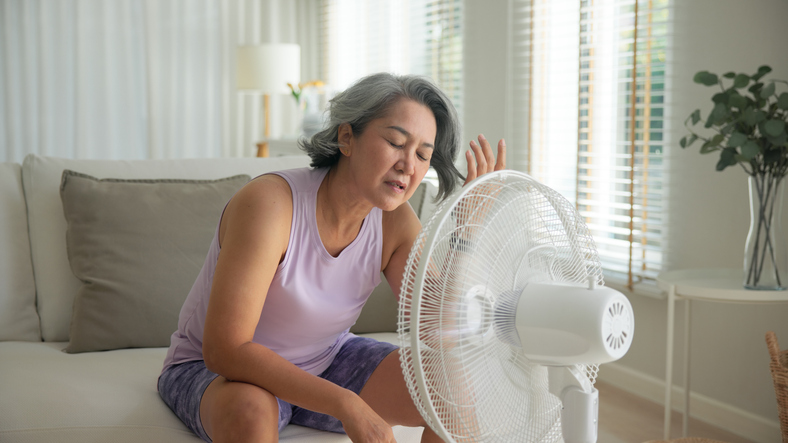
- Hot flashes and night sweats
- Low energy or ongoing fatigue
- Changes in mood or irritability
- Difficulty sleeping
- Reduced sexual desire
- Vaginal dryness or discomfort
- Difficulty concentrating
- Changes in muscle strength
- A reduced sense of overall well being

A Thoughtful Approach to Hormone Care
Your treatment begins with a personal consultation focused on how you feel, what has changed, and what you hope to improve. Your provider will review your medical history, current medications, previous hormone use, menstrual or menopausal history, and any personal or family risk factors. Laboratory testing may also be ordered to provide additional information about your hormone levels and general health.
When pellet therapy is recommended, the hormone type and dose are selected according to your individual treatment plan. During the insertion appointment, the skin is cleaned and numbed with a local anesthetic. A small incision is made, and the pellet is placed beneath the skin. The area is then covered with a dressing.
The appointment is usually brief, and most women return to normal daily activities soon afterward. Temporary tenderness, bruising, swelling, or irritation may occur near the insertion site. You will receive aftercare instructions that may include keeping the area dry and temporarily avoiding strenuous lower body exercise.
Because the pellets continue releasing hormones after they are placed, follow up care is an important part of treatment. Your provider may review your symptoms, check laboratory results, and monitor for side effects before deciding when another insertion should be considered.
The purpose of treatment is not to reach an arbitrary hormone number. It is to find the lowest appropriate dose that supports symptom relief while considering your overall health and individual risk factors.

Frequently Asked Questions
How long do bioidentical hormone pellets last?

Pellets commonly release hormones for approximately three to six months, although the duration varies from person to person. Your metabolism, hormone dose, activity level, symptoms, and laboratory findings may influence when another insertion is considered. Follow up visits help your provider decide the most appropriate timing.
How soon might I notice a difference?
Some women begin noticing changes within the first few weeks, while others require more time. Different symptoms may improve at different rates. Energy, sleep, hot flashes, mood, and sexual wellness do not always respond on the same timeline. Results cannot be guaranteed, and ongoing monitoring helps determine how your body is responding.
Are bioidentical hormones safer than other hormones?
The word bioidentical describes a hormone with the same molecular structure as a hormone produced by the human body. It does not mean that the treatment is automatically safer, free from side effects, or appropriate for everyone. All hormone therapy requires careful medical evaluation. Your personal risks may depend on the hormones prescribed, the dose, your age, your medical history, and how the medication is delivered.
What are the possible side effects of pellet therapy?
Possible effects may include breast tenderness, spotting, headaches, mood changes, acne, increased facial hair, fluid retention, or changes in sexual desire. The insertion area may temporarily feel tender, swollen, or bruised. Less common complications can include infection, bleeding, scarring, or movement of the pellet toward the skin. Your provider will explain the risks related to your prescribed hormones and tell you when to contact the office with a concern.